
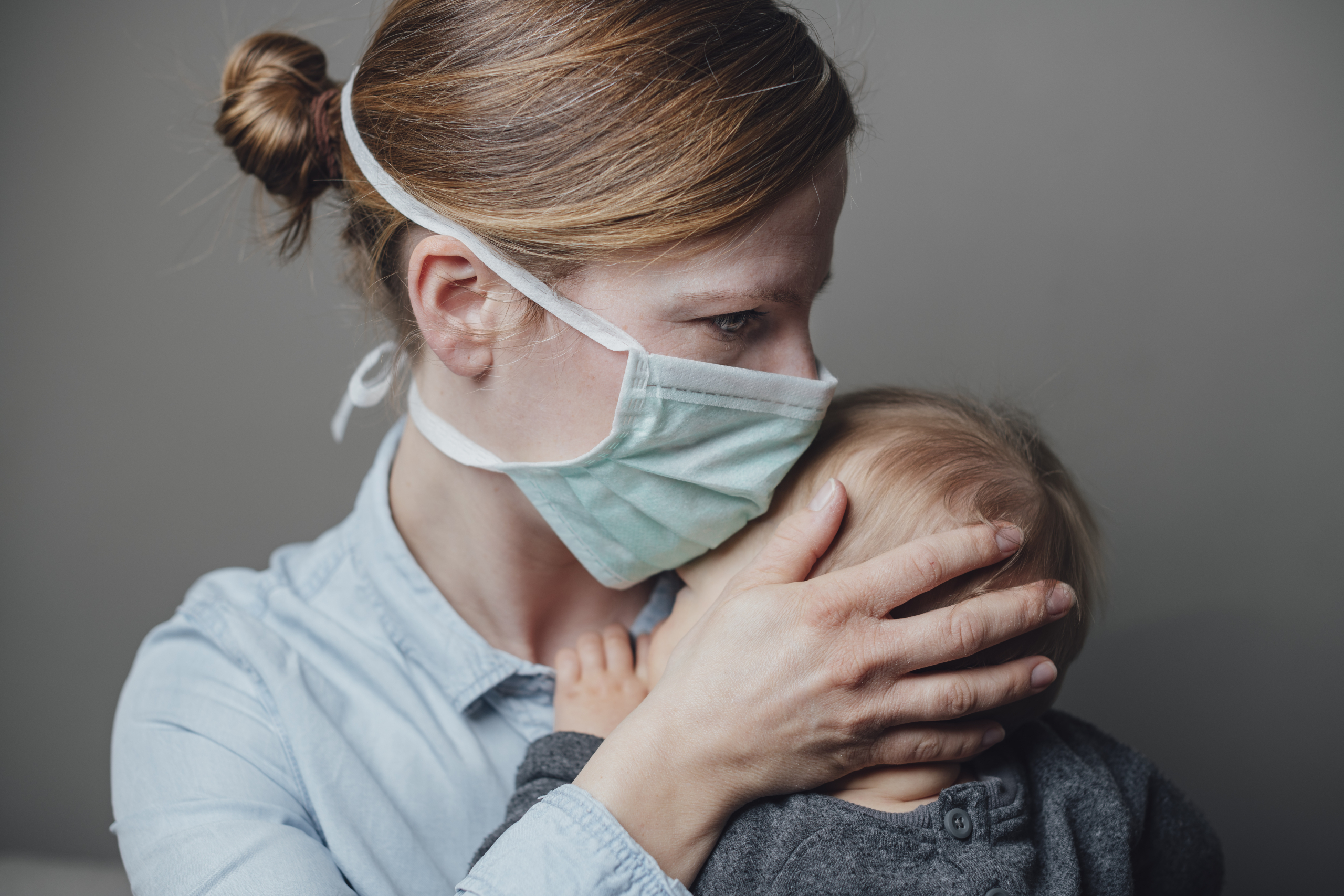
The pandemic has had a significant impact on women’s experience of pregnancy, childbirth, and postnatal care. Some mothers have been separated from their babies because of hospital policies.
During the height of the pandemic, some mothers reported that they were separated if their infant showed symptoms of COVID-19. It was reported that newborns were separated from their mothers if they had COVID-19. Researchers from the US, Italy, and the UK have found that neonatal intensive-care units (NICUs), even those without COVID-19, severely restricted visitors during the pandemic.
Although some hospitals use video messages to help parents connect with their babies, it is a poor substitute for actually being together. Separating the mother from the baby can be devastating for a mother and can disrupt bonding and breastfeeding. Separating mother and baby after birth can cause high levels of stress for both mothers as well as babies.
During the pandemic, we’ve seen an increase in postnatal anxiety, depression, and stress. Birth trauma and post-traumatic stress are more common in women. This is likely due to the altered care practices after birth and during delivery. The data from China shows how the separation of mother and infant during the pandemic affected maternal-infant bonds.
The UK has also seen a decrease in breastfeeding, as some mothers have stopped early due to the inability to visit NICUs with their premature babies. It isn’t easy to establish breastfeeding when separated. This is linked to stopping breastfeeding.
There are still variations between areas in the UK. There are still differences between the different regions of the UK. Official guidance prevents mothers with COVID-19 from visiting their babies who are in the NICU. In countries with a high incidence of COVID-19, like India, there are strict separation rules.
The pandemic has subsided, but the effects are still felt. Separation has been a difficult experience for many. The separation can also cause mothers to have a harder time caring for their babies when they are reunited. There are many ways to improve your bond with your child if you have been separated.
Skin-to skin contact
Use as much skin-to-skin contact as possible with your child.
Skin-to-skin isn’t just for newborns after birth. It can help calm the baby down soon and help establish breastfeeding. Research has shown that it can help mothers emotionally connect with their babies, even if they are separated.
You can also relax in bed or spend time with your child without any clothes on.
Baby massage
You can also try baby massages at home or in a class once they open again. Baby massage involves gently and rhythmically stroking your baby while singing or talking to them.
You can learn to recognize and understand your child’s cues, such as whether or not they are enjoying the massage and what soothes them best. This will help increase your feelings of connection with your baby. Both you and your child will feel more relaxed and calmer as the hormone oxytocin is released.
Keep your baby close.
Keep your baby as close to you as possible.
Carrying them in a soft, padded sling is a great way to soothe your baby. The warmth, movement, and proximity to your heart will help your baby.
Carrying your baby regularly will reduce the amount of crying. Taking can also help with bonding and reduce postnatal depression symptoms.
Breastfeeding is a nurturing feed
Continued breastfeeding can help you connect with your baby. You can restart breastfeeding at any point in time if you have stopped before. This is called ” relactation”. Some women chose to continue breastfeeding during the pandemic because they wanted to protect their babies from maternal infection and vaccination. You can work with a breastfeeding consultant or counselor to determine if this is something you would like to do and how you should go about it. Offers free helplines to support you with relaxation and any breastfeeding problems.
Try to hold your baby close when you feed them. This will help you bond with them. Even if you are providing your child with solid food, eye contact is an effective way to connect.
Don’t hesitate to talk to someone about your feelings if you have been separated from your child at any time during the pandemic. You could talk to a friend you trust, a professional in the health field, or a therapist or counselor. You are entitled to feel these emotions, whether you’re struggling with memories, feeling anxious, depressed, or grieving. Working through your feelings and talking about them in whatever way you feel comfortable will help you to process and strengthen your bond with the baby.
Remember that you will have time to bond and grow with your child.